The Hidden Flower by: Pearl S. Buck / Paperback / Fiction
Pocket Books 7th printing 1964 Small tear back cover along spine (pictured) A1058
The Hidden Flower is a 1952 bestselling novel by Nobel and Pulitzer Prize-winning author Pearl S. Buck that explores cross-cultural romance and post-World War II prejudice.
The Romance: The story follows Lt. Allen Kennedy, a US soldier stationed in postwar Japan, and Josui Sakai, a young Japanese college student.
Background: Josui grew up in California, but her doctor father moved the family to Kyoto to avoid an American internment camp. Her father harbors deep anti-American resentment.
Background: Allen comes from a traditional family with an estate in Virginia, a state where interracial marriage is legally banned at the time.
The couple falls in love and marries, but they face intense social pressure, legal barriers, and family rejection when they try to build a life together.
Examines post-war relations between Americans and the Japanese.Exposes institutional racism and anti-miscegenation laws in the United States.Highlights the heavy emotional cost of cultural and familial expectations.
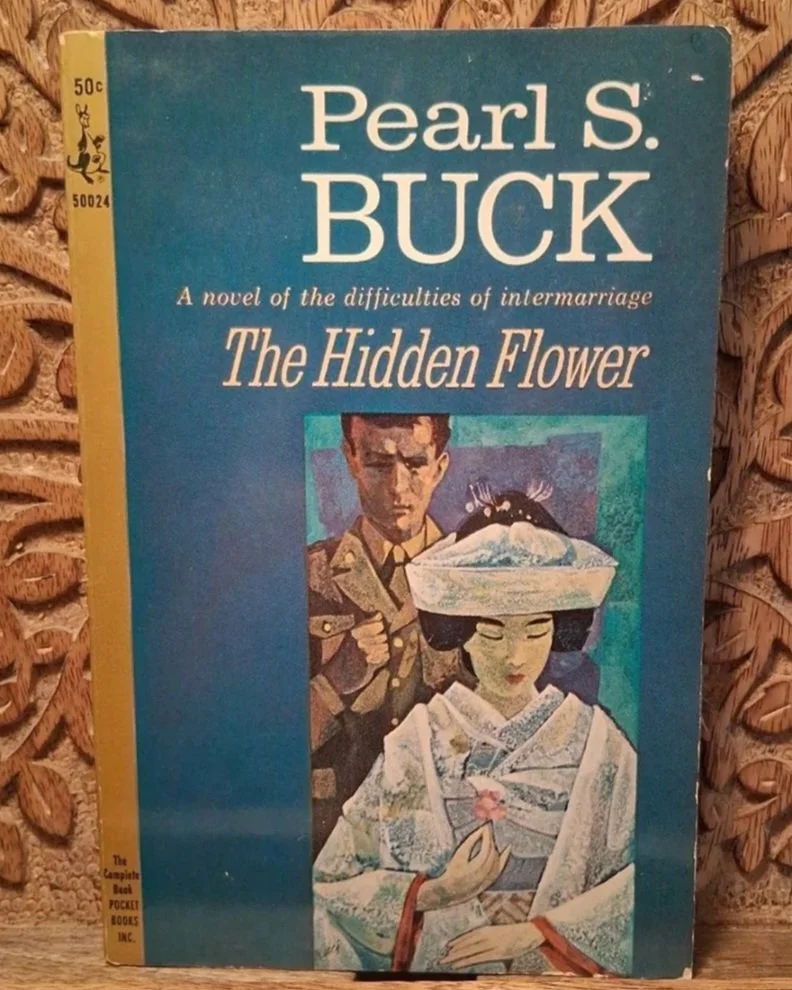 Image 1 of 6
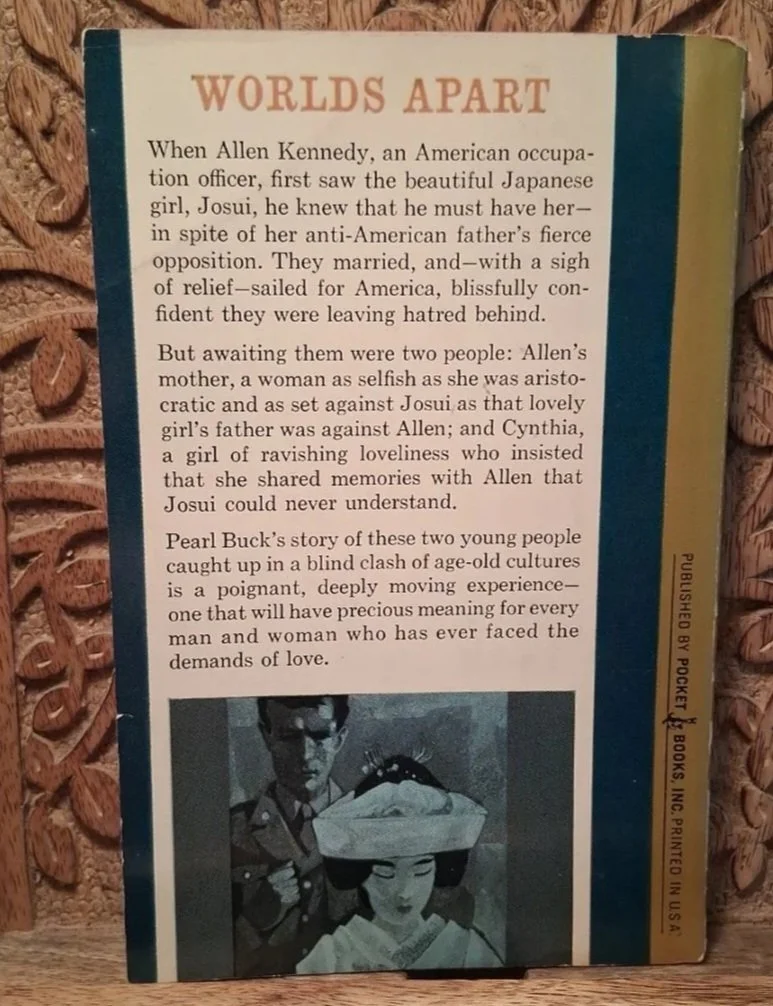 Image 2 of 6
 Image 3 of 6
 Image 4 of 6
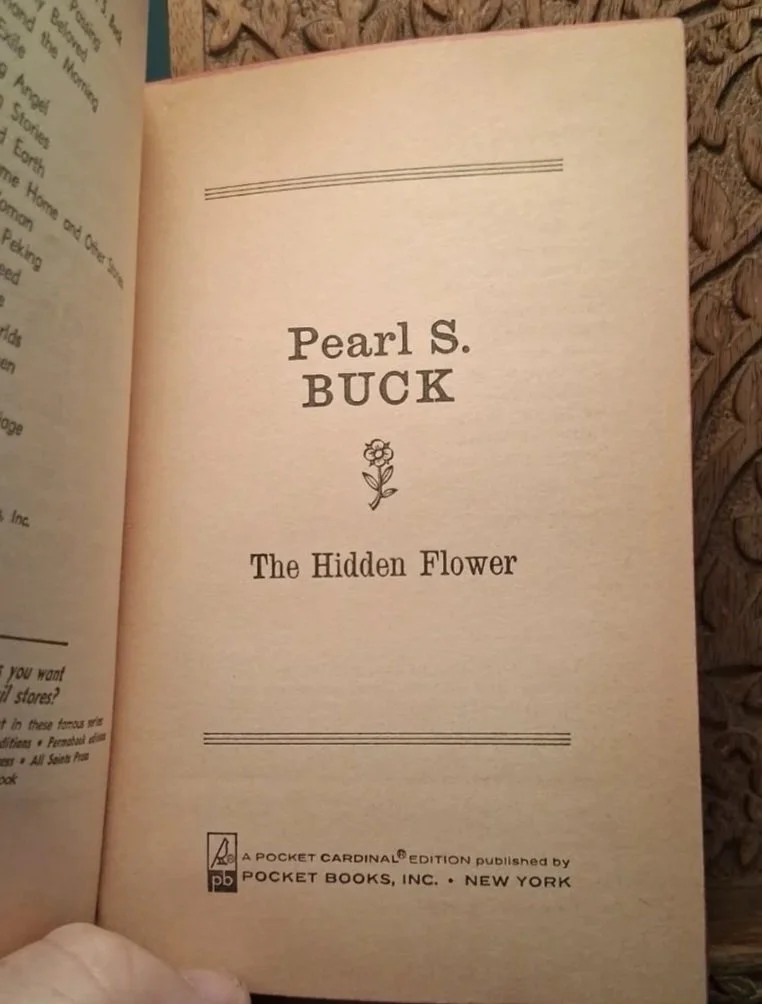 Image 5 of 6
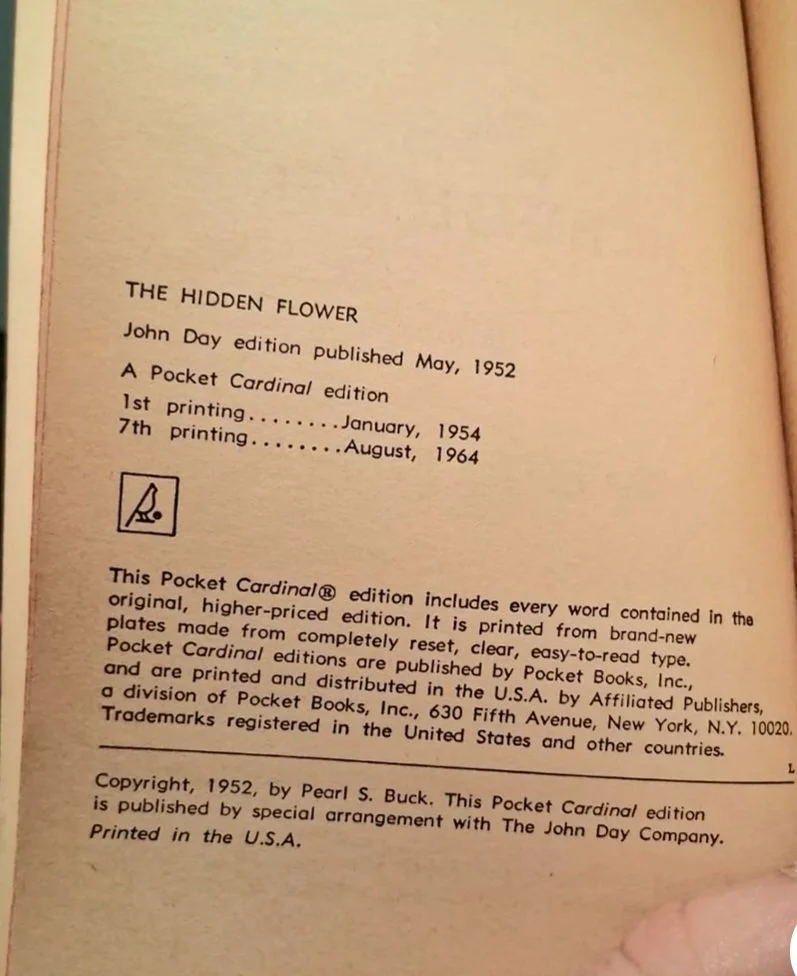 Image 6 of 6